
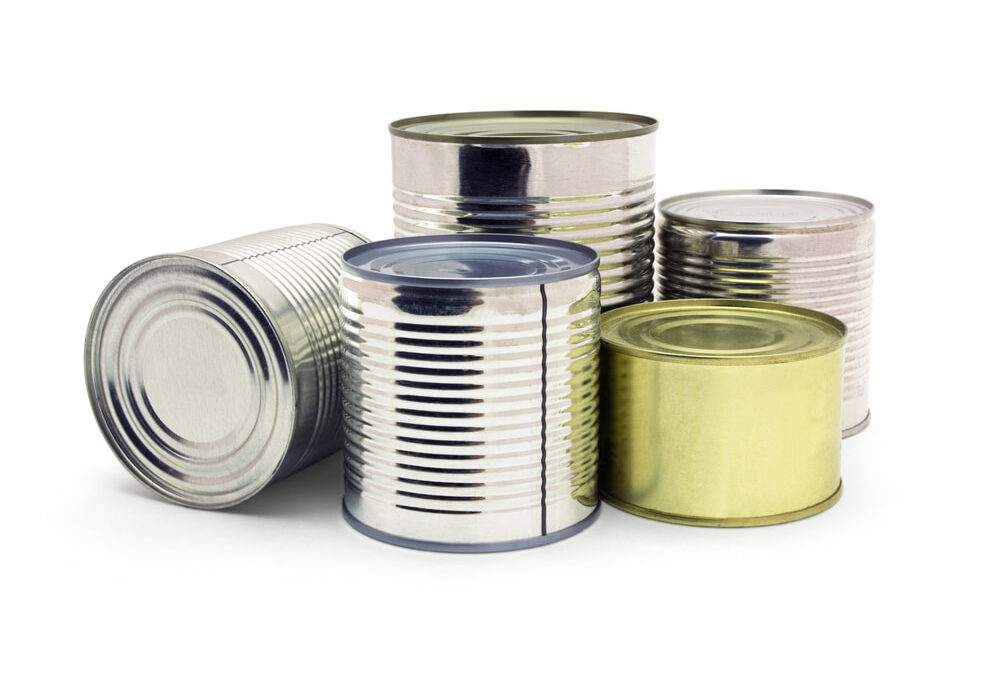
Best Canned Goods for Food Banks
If you’re thinking of donating to a food bank and you’re wondering what types of foods you can give, canned goods are the most convenient option. Food banks provide for families who struggle to put food on the table; therefore, you need to ensure that what you’ll donate is convenient, easy to eat, and nutritious.
Fortunately, many canned goods today are filled with nutrients; some are even more nutritious than their fresh counterparts. You only need to know which ones to get and choose.
In this post, we have listed some of the canned goods you can donate to your local food bank that will benefit the families they will be given to:
1. Canned Soup
Canned soups are one of the best canned items you can give to a food bank. In general, soups are mostly liquid, which is a great way to stay full and hydrated. Moreover, depending on the soup, it can give the immune system a boost.
Canned soups contain nutrients, depending on the type of soup and the way it’s made. They’re convenient because all the people need to do is heat them up, and just like that, they get a hearty and warm soup that is perfect during cold weather.
Remember, food banks’ goal is to provide food for people immediately, and a canned soup is extremely convenient.
2. Canned Fruits
There are so many great things about canned fruits, such as their convenience and affordability. They are already packed, which means that food banks don’t need to worry about soiled fruits, while people who receive them don’t need to go looking for a knife or a peeler to consume them.
Moreover, most canned fruits have the same nutrients as fresh and frozen produce. They have a longer shelf life as well which makes them ideal for food banks.
Plus, canned fruits are safe because the canning processes use high heat levels to preserve the food. In turn, this helps prevent the growth of pathogens that are the cause of food-borne illness.
Also, it’s essential to note that canned fruits are processed within hours of harvest that makes them healthy and taste delicious. When buying canned fruits to donate to food banks, select the ones that don’t contain added sugar or sodium. It’s also good to know that canned fruits that are stored in their own juice versus syrup are lower in calories.
3. Canned Vegetables
Often maligned source of vitamins and nutrients, you might be surprised to know that canned vegetables are healthier than fresh produce in some cases. Why?
Fresh produce loses nutrients on the way to the store, but generally, canned vegetables are processed upon harvest when the nutritional content is at its highest.
The canning process that takes place after harvest involves cutting, peeling, and quick cooking. Sure, these things can deplete water-soluble vitamins but once they’re canned, the nutrition levels can stay the same for at least two years. The canning process also helps enhance the disease-fighting phytochemicals beta-carotene and lycopene, which means most canned vegetables are healthier than fresh ones.
4. Canned Fish
When it comes to canned fish, there’s no question when it comes to its versatility, affordability, and nutrients. Let’s just say, it’s the unsung hero of your pantry.
Whether it’s tuna, salmon, or sardines, trust that the food bank you give canned fishes to will appreciate it, as well as the people who will eat it.
Canned fish contains high levels of omega-3 fatty acids that are important for your overall health and wellbeing.
- Tuna: Canned tuna is rich in protein and low in fat. It’s full of omega-3 fats that can help lower blood pressure, improve blood vessel function, and many more.
- Salmon: Canned salmon is also rich in omega-3 fatty acids that can help reduce the risk of heart disease, stroke, muscle degeneration, and dementia. It’s best to choose canned salmon with bones to get an excellent source of calcium.
- Sardines: Canned sardines are another great source of omega 3 fatty acids that can also help reduce the risk of cardiovascular disease. It can also help reduce the risk of inflammation in the body and aid with mental health.
These are the top three canned fish that you can get to donate to a food bank.
5. Canned Stew
A good example of canned stew is beef stew that can provide warmth. This is perfect for the cold weather. Even if some of them are quite high in sodium, you can balance it out by donating other nutritious foods.
6. Canned Beans
Canned beans are widely available, but you need to be selective when donating them to a food bank. It’s best to choose the ones that are simply beans. Moreover, they shouldn’t contain any ingredients like sugar or salt. Look for no-salt-added varieties, which means you should really read the label before you purchase.
Beans, such as red beans, lentils, soybeans, and split peas are super-rich source of nutrition.
A huge part of what food bank provides is nutrition education and providing families with healthy foods. With that, people who like to donate are encouraged to give healthy foods to enhance the nutrition of people who are in need, especially children.
Stick to foods that are low in fat and sodium, high in protein, and rich in good ingredients that you would normally find in your homes. You don’t need to go too far to get these items as there are many healthy canned goods in local groceries you can get.
Food banks are looking for healthy options to ensure individuals who will receive them are getting the nutrients they need. So, when you’re thinking of food donations, canned foods are an excellent choice because they’re usually nutritious and they’re very convenient. Some won’t even require a can opener, which makes it even better.
Shop wisely for food donations so individuals who will receive them will be able to get the most out of them. Use the information here to find the best canned goods as food donations!