Food Bank Donation Guidelines
Donating to a food bank involves finding out what kind of help they provide, including the areas they cover. There might be specific and immediate items they need, which you can prioritize to make an impact in the lives of those who need immediate help.
If you want to ensure that you’re supplying the right goods (i.e., perishable, non-perishable, frozen, preserved) to the food bank, you can contact the organization and inquire about what you can include on your purchase list because there might be limitations to what they can store and categorize. They can answer most questions about the food classifications they distribute to specific sectors and also where they receive the donations.
What to Donate
Food banks require non-perishable products that can be stored at room temperature to preserve them before distributing them to charitable associations and food aids.
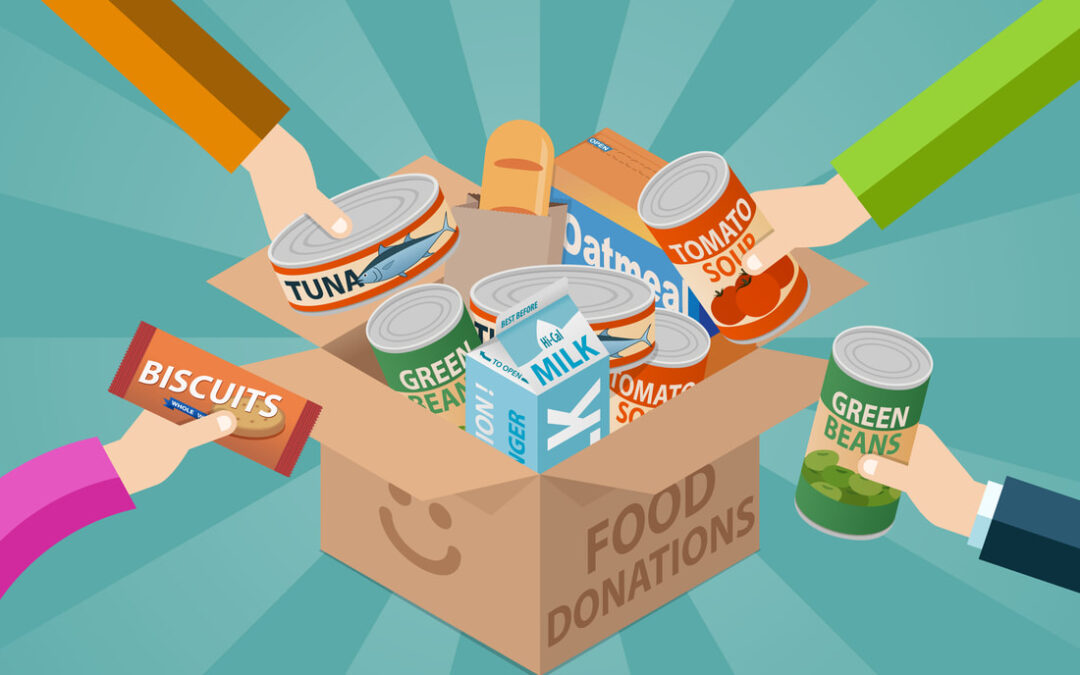
They are commonly in need of dry products with a long shelf life, such as canned fish (sardines, tuna, etc.), canned meat, canned fruit (pineapple, apricots, peach, etc.), canned vegetables (beans, peas, tomatoes, etc.), starches (rice or pasta), oil, breakfast cereals, cookies, coffee, tea, sugar, and many more.
Do We Take Perishable and Frozen Food?
It is often not possible to donate refrigerated or frozen products due to the effects of the cold chain.
However, many food banks do accept perishable food supplies whenever there schedule can allow it. The supplies must be given at least 48 hours before the expiry date unless the agreement sets a shorter deadline. But remember, this only happens if the food bank is about to distribute the food supplies to those that need it very quickly.
Second Harvest Food Bank of San Joaquin and Stanislaus Counties does accept and can store perishable and frozen foods. They are most welcome any time of the year and not just during holidays.
To ensure food safety on frozen goods, these precautionary rules should be followed:
- The containers used must be clean and designed for food use.
- Foods must have the necessary information (product name, date of packaging or portioning, storage instructions).
- Refrigerated or frozen foods must be kept cold during transport.
- The containers used must be clean and designed for food use.
- Equipment used for transporting food must be cleaned before use.
- The usual sanitary instructions must be observed. For example, wash your hands before handling food and transport equipment.
Management of Supplies in Food Banks
The organization’s volunteers responsible for the storage and distribution of surplus food must guarantee the proper management of the proposed service.
The volunteers and employees of the associations should implement rules of hygiene.
- The use-by date, or DLC, must not be exceeded. It is mentioned after the words “To be consumed before…”, not to be confused with the MDD (date of minimum durability). Once the DDM date has passed, the food does not present any danger but may, on the other hand, have lost all or part of its qualities: taste, texture, etc.
- Food packaging: the detection of torn plastic films or bulging or even pierced cans indicates that the products concerned must be discarded.
- The smell and color of the foodstuffs: if they are unusual, the products should be discarded.
To anticipate a possible health alert, food banks keep information relating to food stocks’ traceability (donor establishment, production batch number, date of donation, etc.), especially the perishable and frozen goods.
Once the supplies are collected, the food products are sorted by categories, weighed, recorded, and stored before being distributed throughout the charitable associations.
If you want to be part of a community dedicated to changing people’s lives, visit us to learn more about our program!