
Advantages & Disadvantages of Snap Program for Families
Many residents in various communities without enough income to buy nutritious food regularly rely on food stamps to survive. The food stamp program is one of the most popular assistance programs in the US. Benefits coming from the government are also more commonly known as Supplemental Nutrition Assistance Payments (SNAP).
Several requirements measure one’s eligibility in every state, local department, or non-profit organization. Still, they all generally focus on helping those with the lowest capacity to purchase food with the right amount of nourishment.
The food stamp program’s eligibility requirements vary from different organizations, so you will need to do a bit of research before you apply.
Advantages of SNAP (Food Stamp) Programs
Food stamp benefits can help an individual or family get through a temporary shortfall in income. One of the primary privileges available includes purchase access to fresh food in grocery stores. Those who have refrigerators can buy enough supplies that can last for a few days. Furthermore, they can also use food stamps to buy ready-to-eat food for immediate consumption.
Please be informed that the services can vary from one establishment to another. Beneficiaries will be notified of the items they can buy and where they can buy them.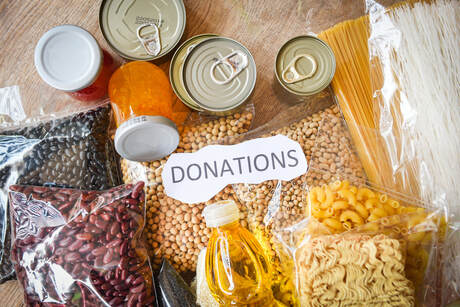
Disadvantages of Food Stamps
The limitations on the items and stores in partnership with the food stamp programs can be a disadvantage to some individuals or families. The benefits are most likely limited to food items, which don’t include other necessities, such as soap, shampoo, toothbrush, toothpaste, etc. You’ll need to check with other related programs, such as food pantries, where other privileges might be available.
As food stamps are provided only to certain individuals, there’s a federal guideline for poverty as a basis for calculating the eligibility of an applicant based on their net monthly income. It may force an individual not to look for additional work to remain in the program. Additionally, the eligibility screening process might sometimes reach a certain level to invade the applicants’ privacy. However, the applicant is made aware of every step taken by the organization.
Food Stamp Eligibility
Applying for food stamp eligibility is made easy with quick processing methods, as long as the beneficiary meets the requirements. Usually, eligibility requires careful consideration of one’s income and other factors regarding the applicant’s living condition. Applicants are expected to provide information that declares a household’s income and resources, including the gross monthly income, net income, and assets.
The household’s income accounts for all earned income before payroll tax deduction and unearned income from cash assistance programs, insurance, and child support. The assets are all combined resources that enable a household to buy food accounts from accessible items like bank accounts.
Pro-tip: Check with your local food bank or food pantry on the latest guide to food stamp eligibility.
Discover all available options on emergency food assistance programs provided by non-profit organizations working together to fight hunger. Second Harvest Food Bank is in partnership with the CalFresh program issuing monthly electronic benefits for improved convenience. Visit us here to learn more about our services!